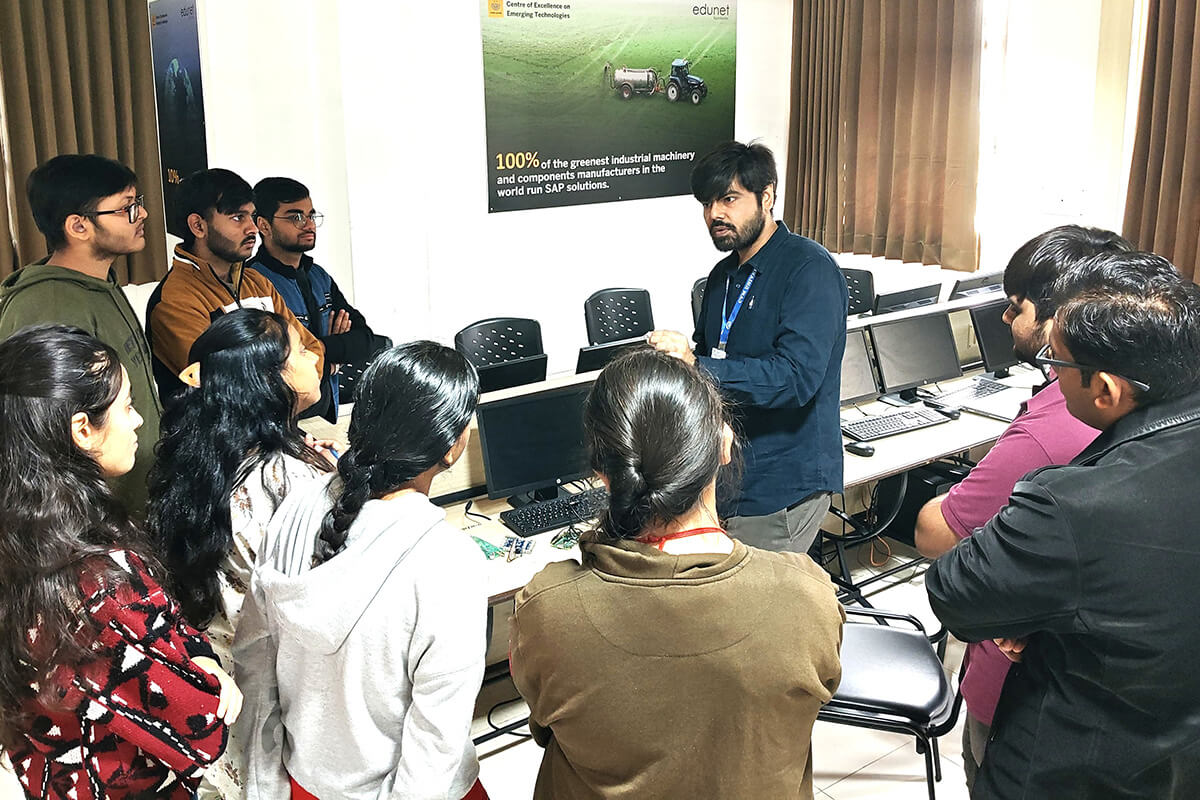
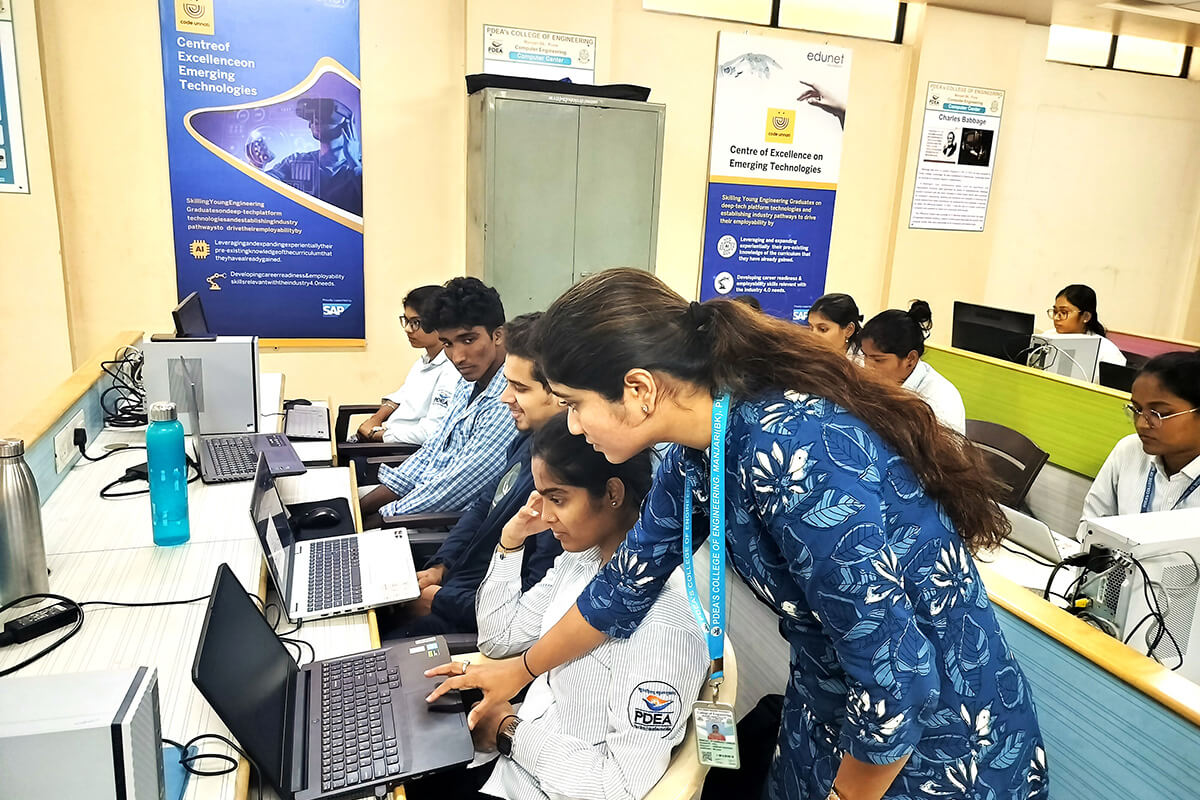
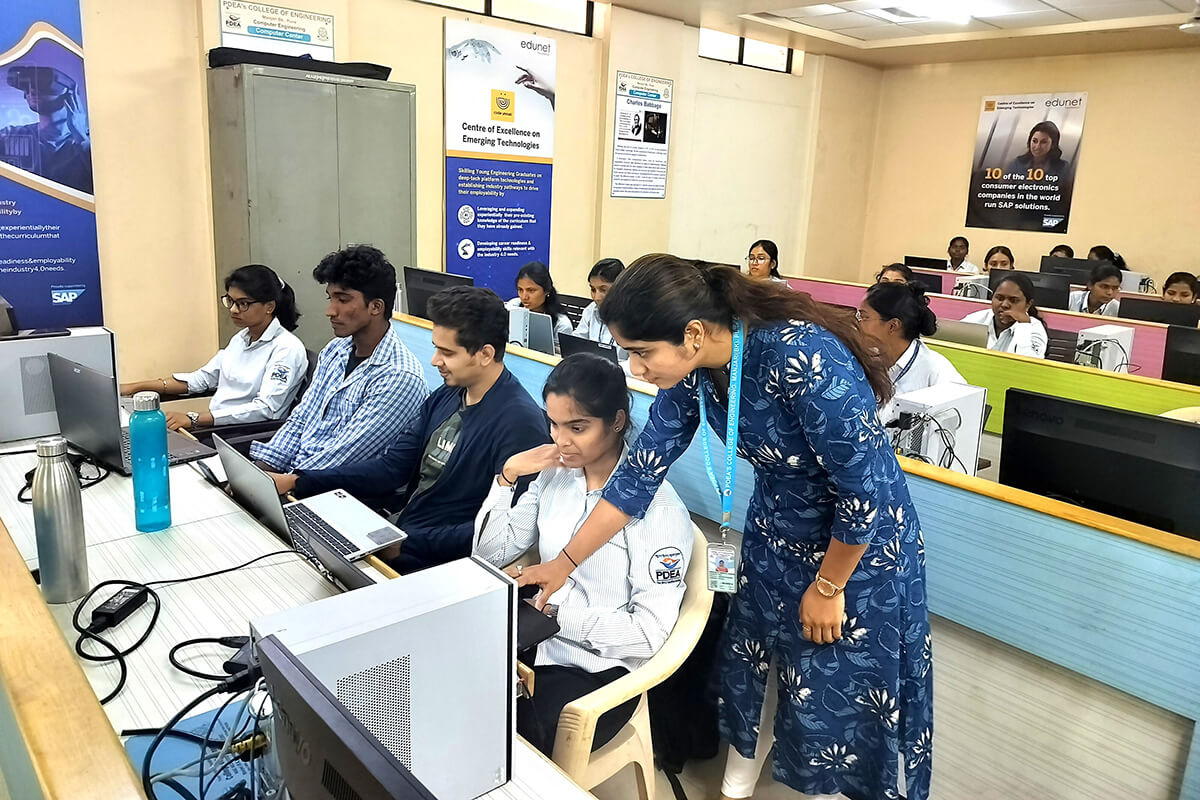
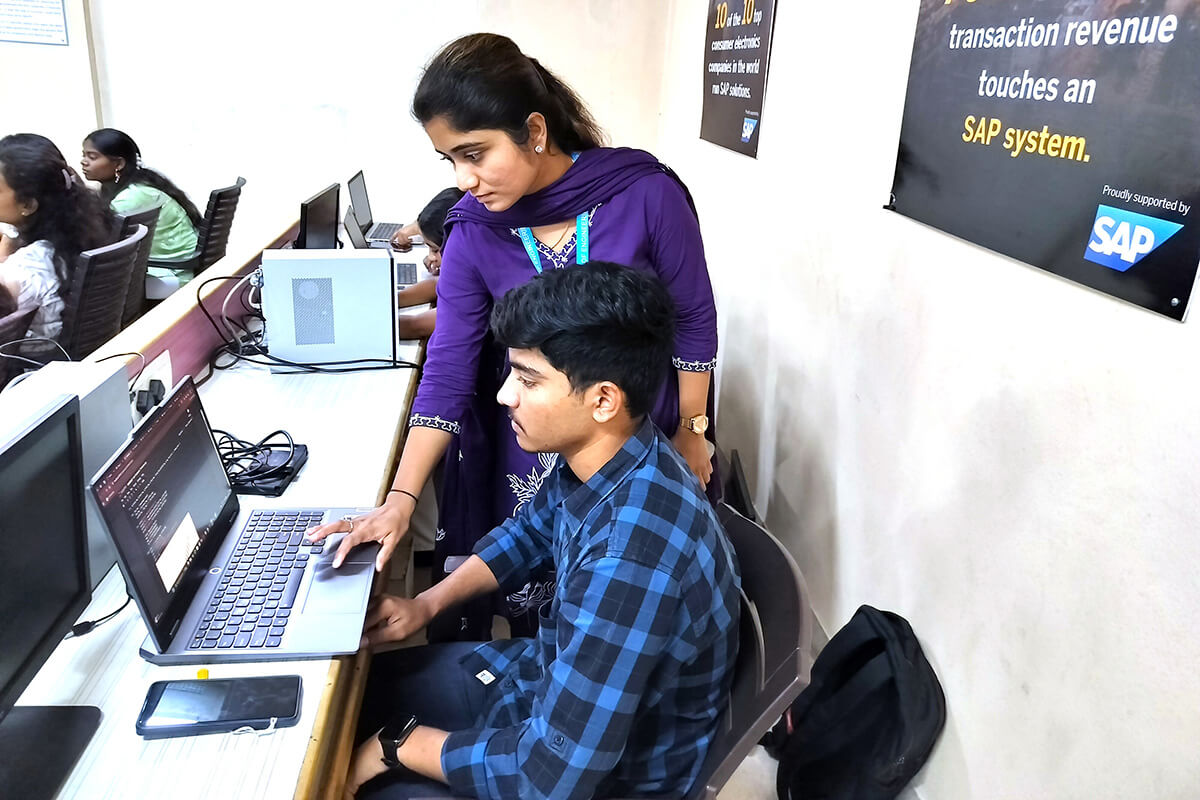
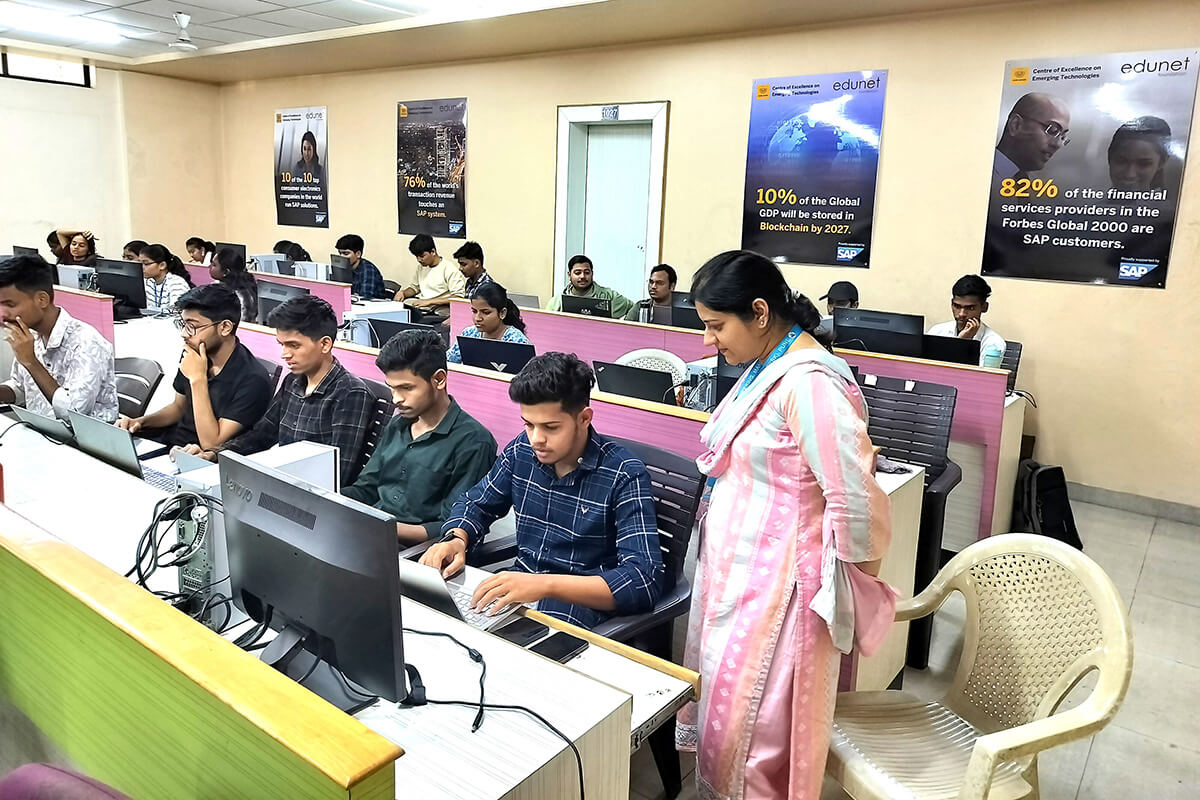
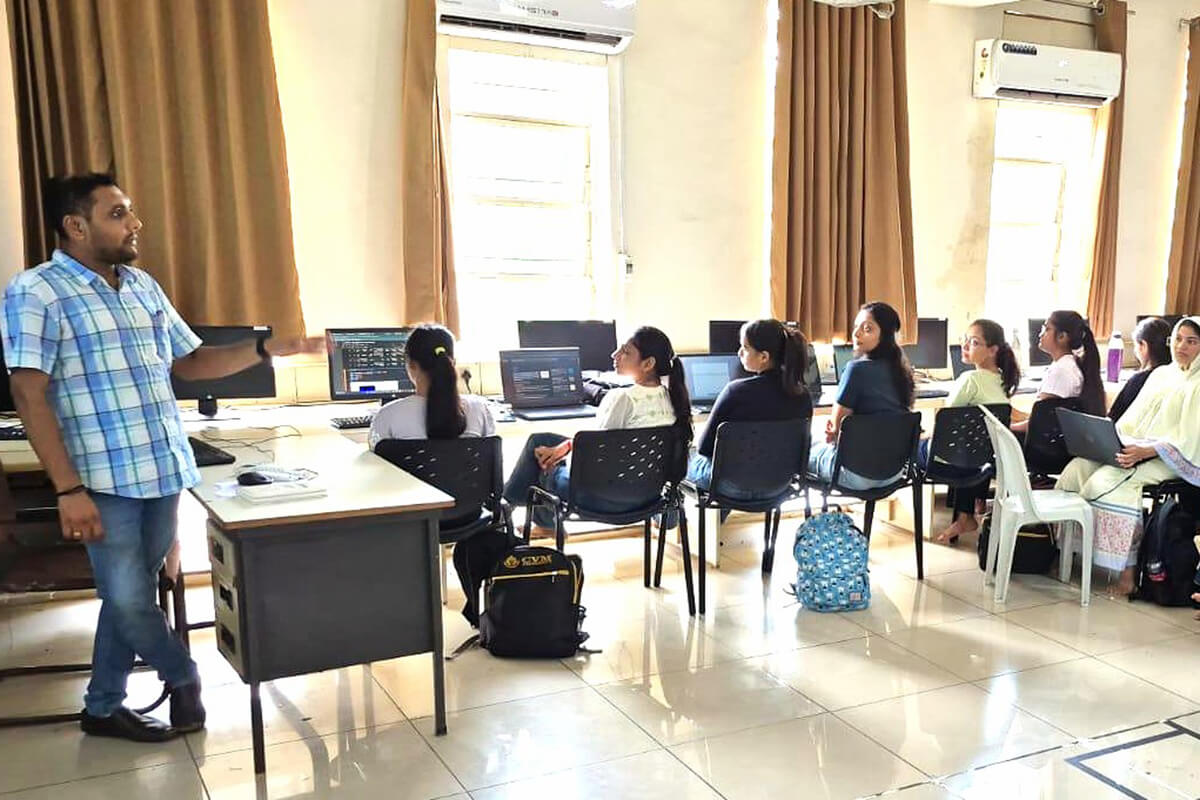
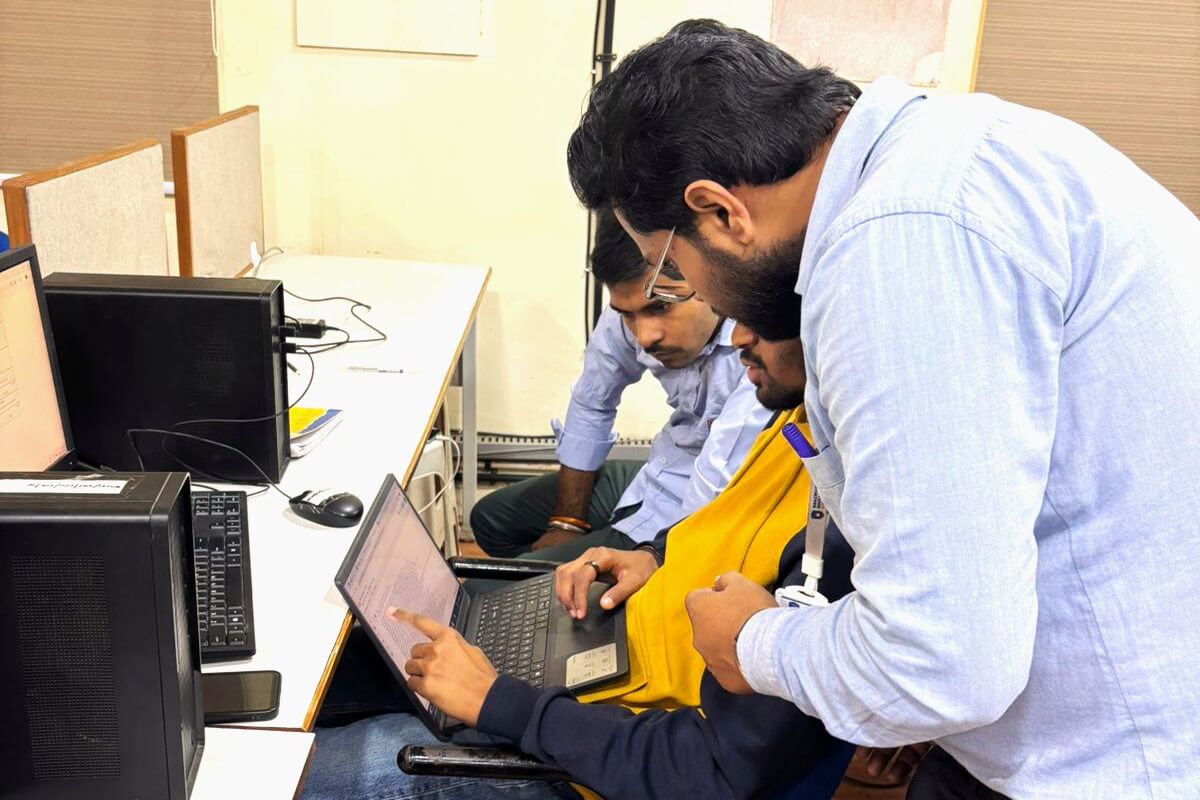
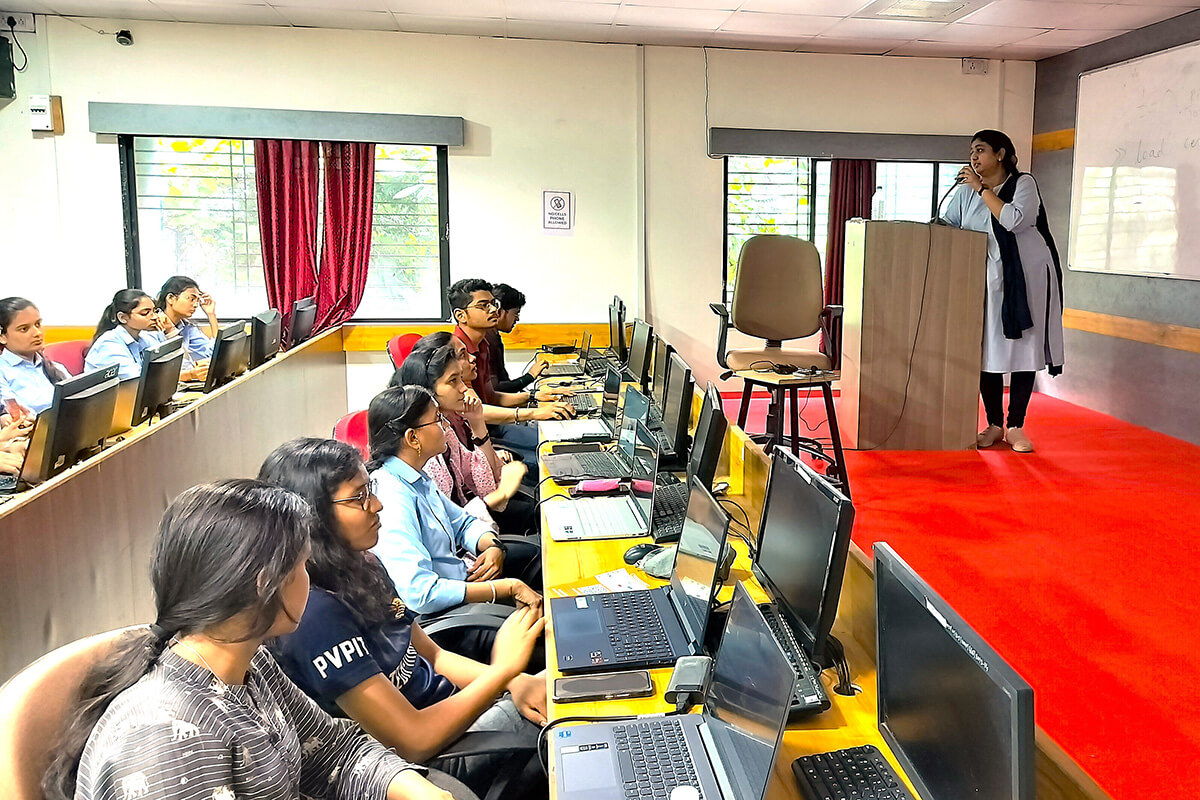
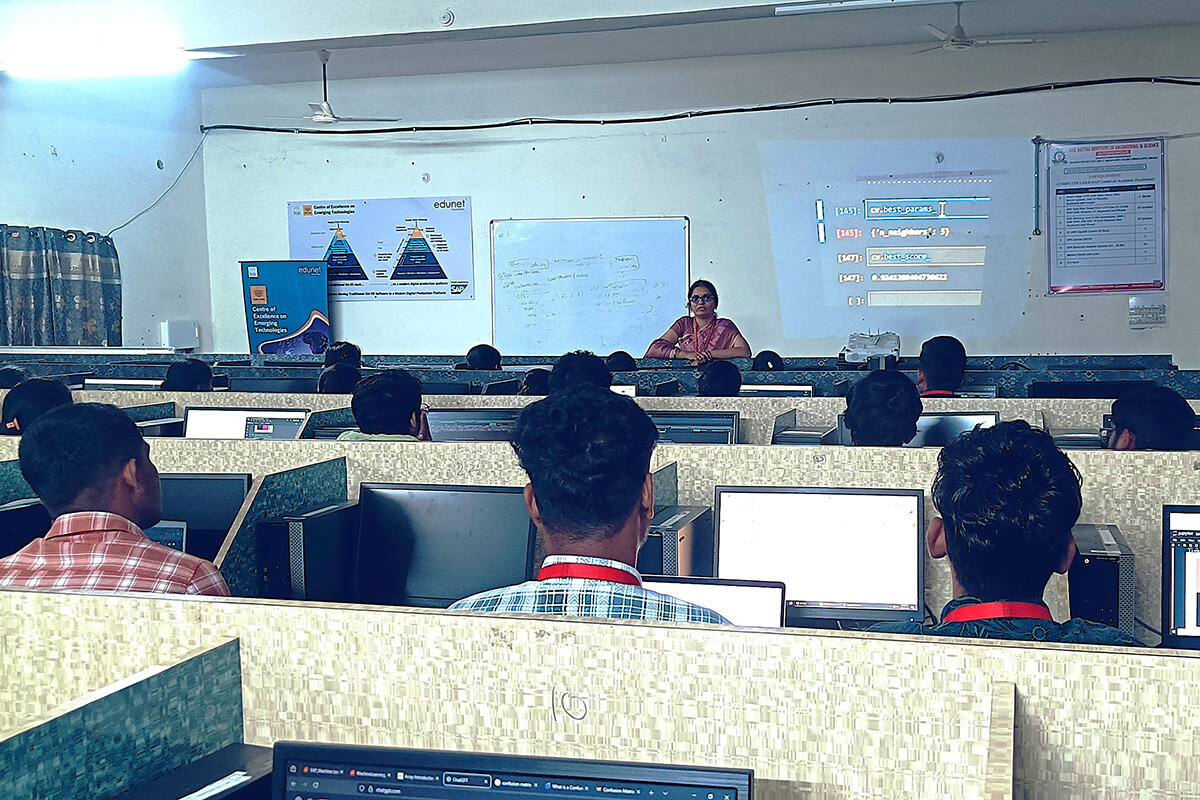
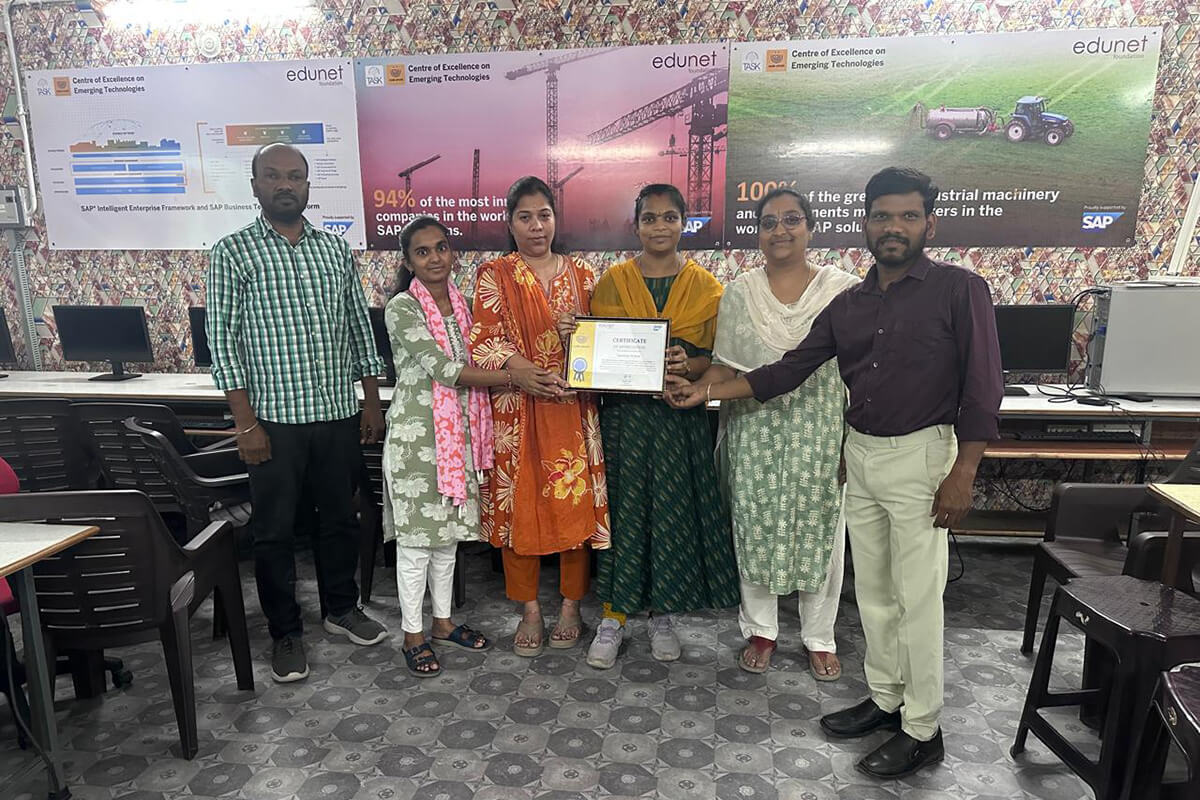
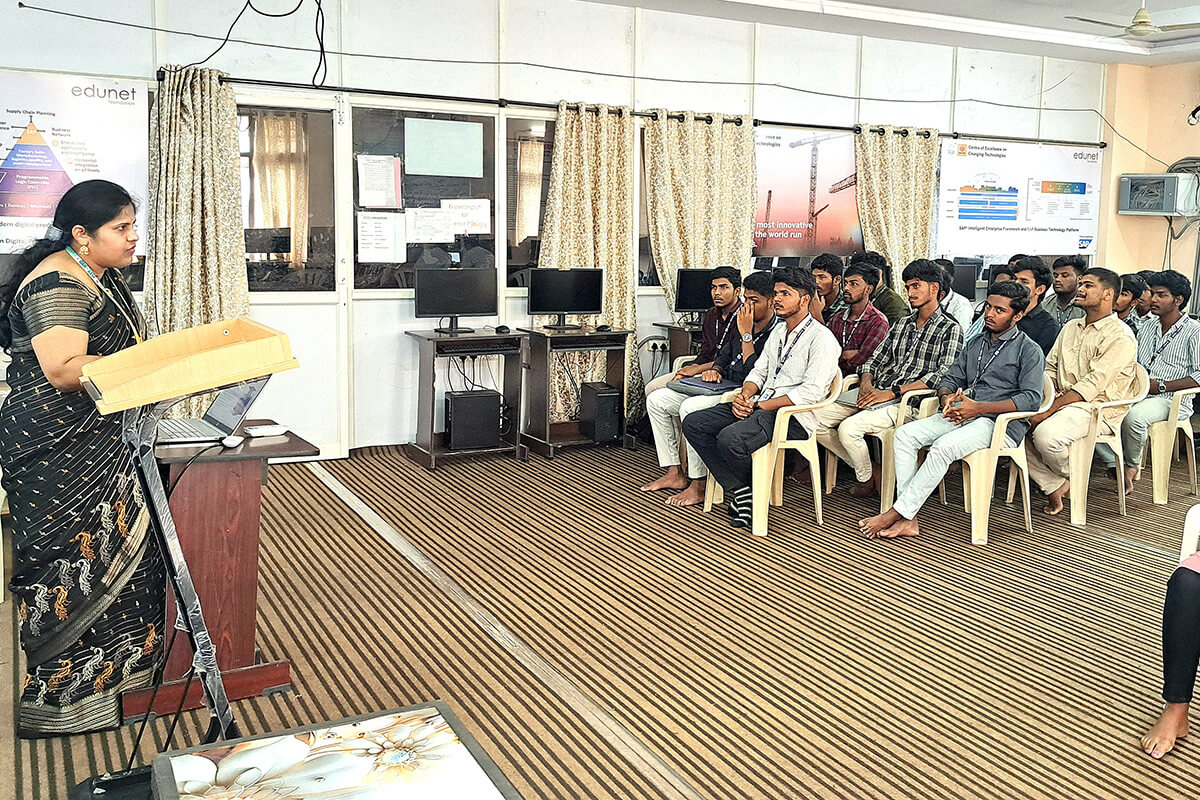
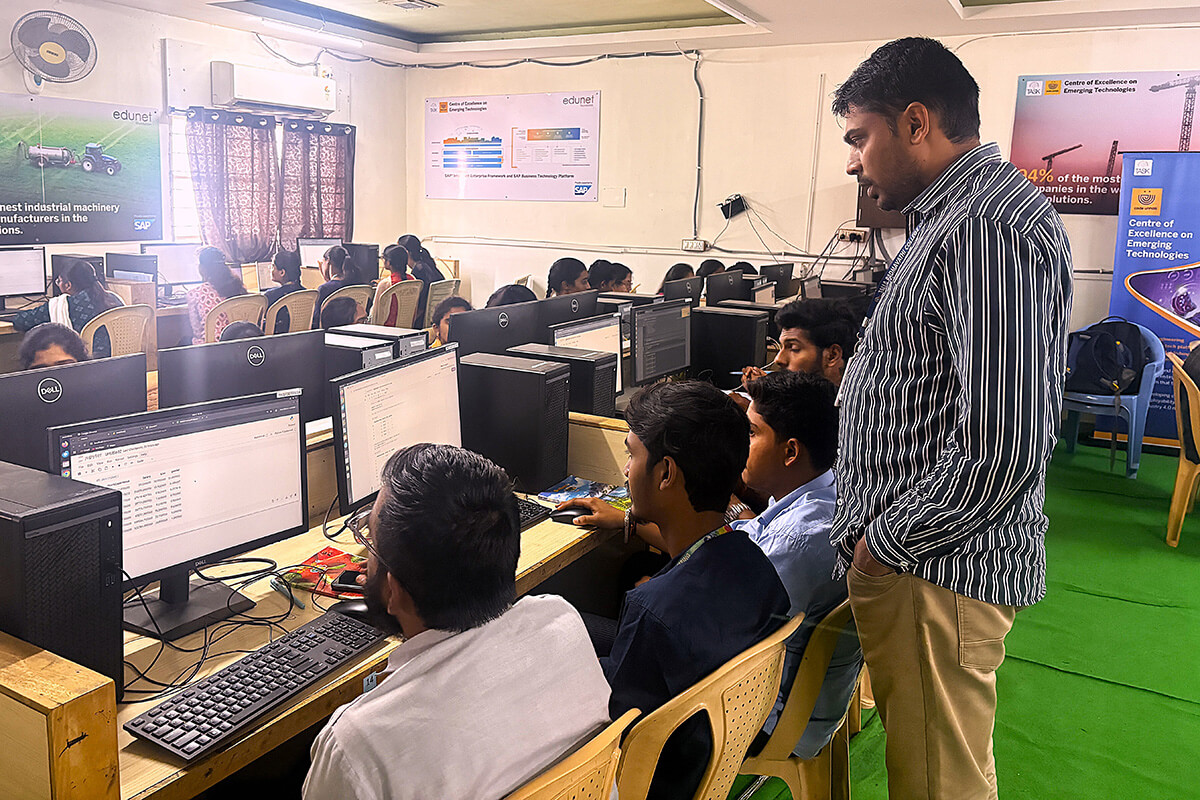
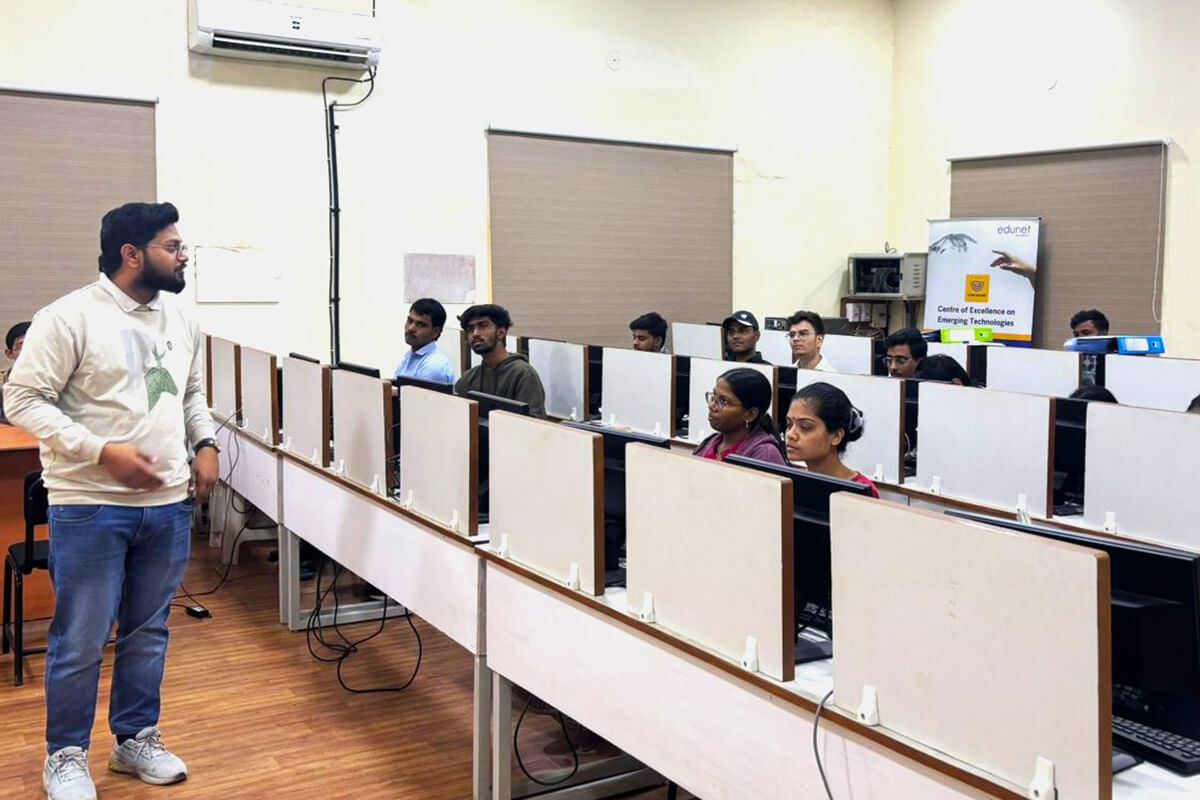
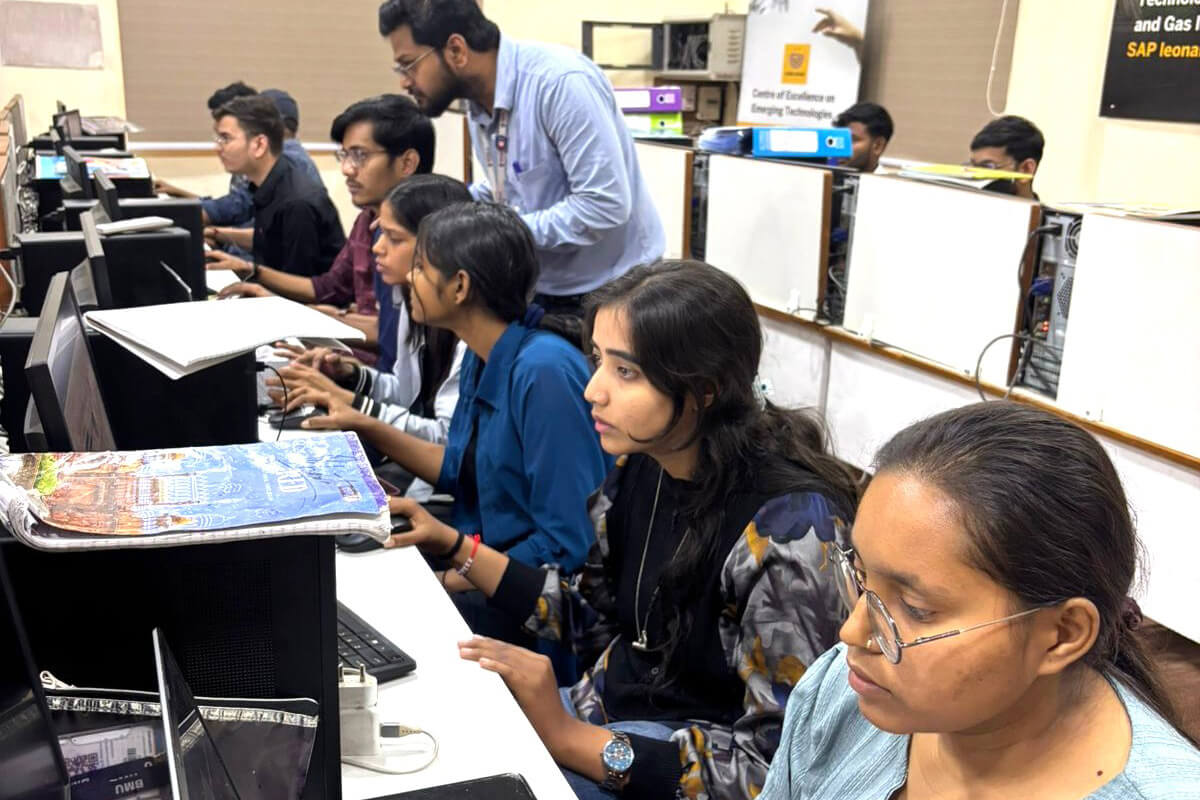
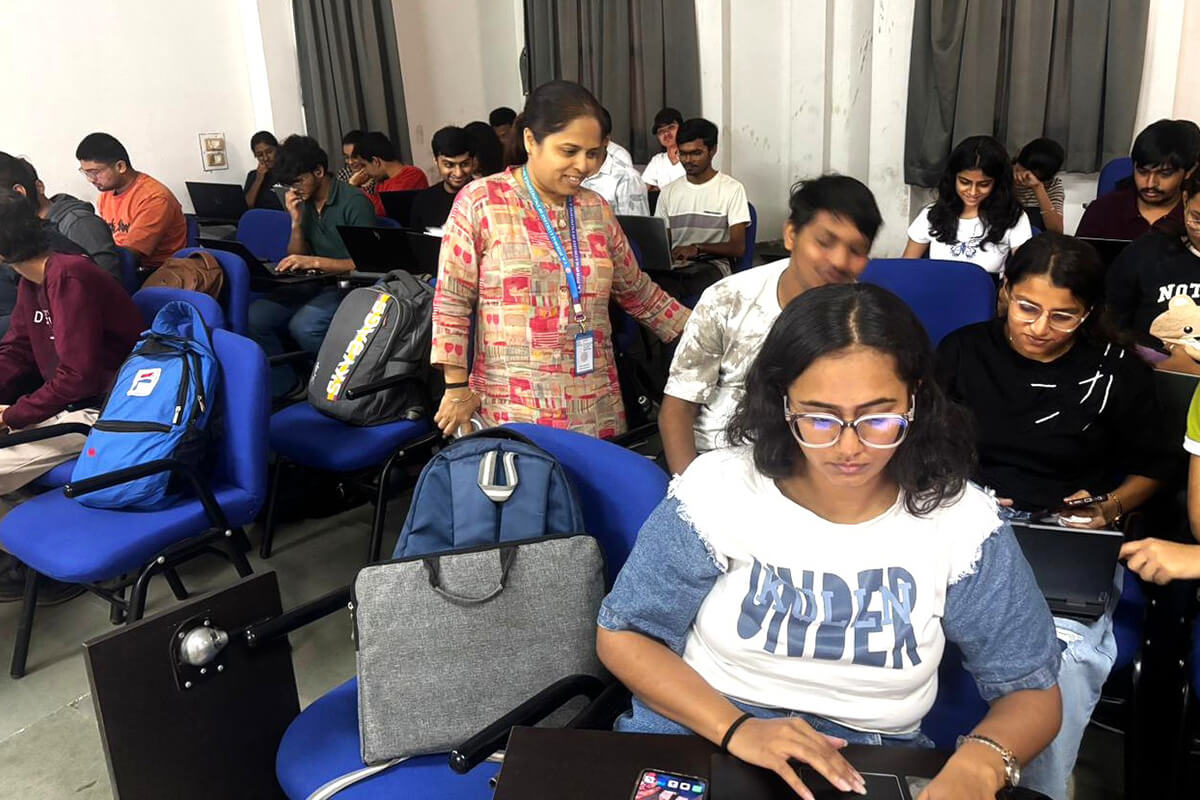
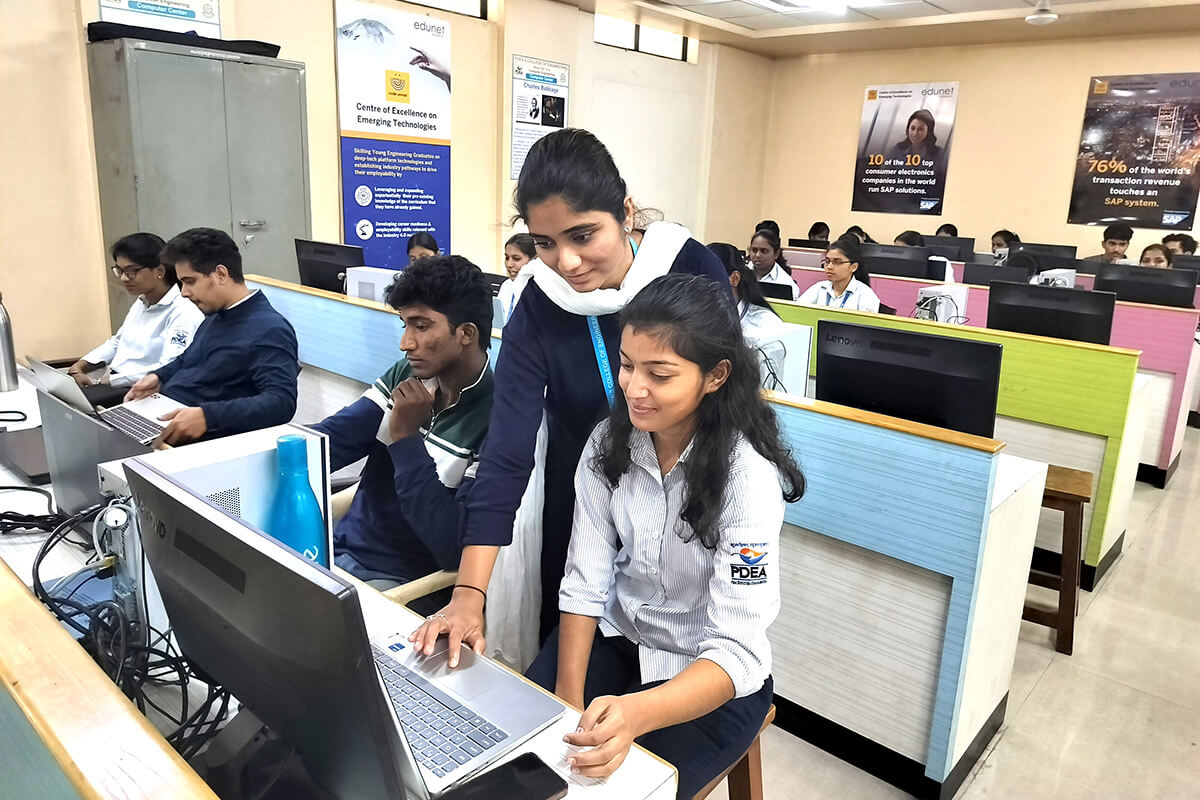
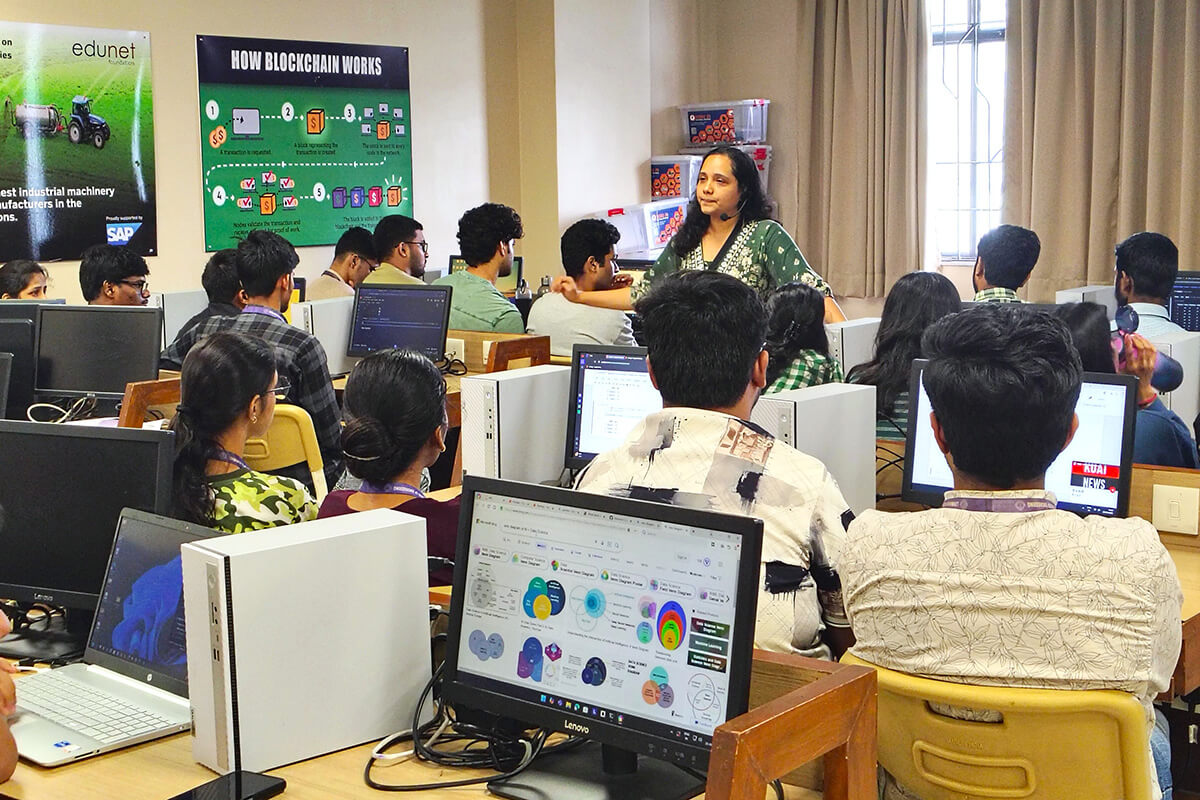
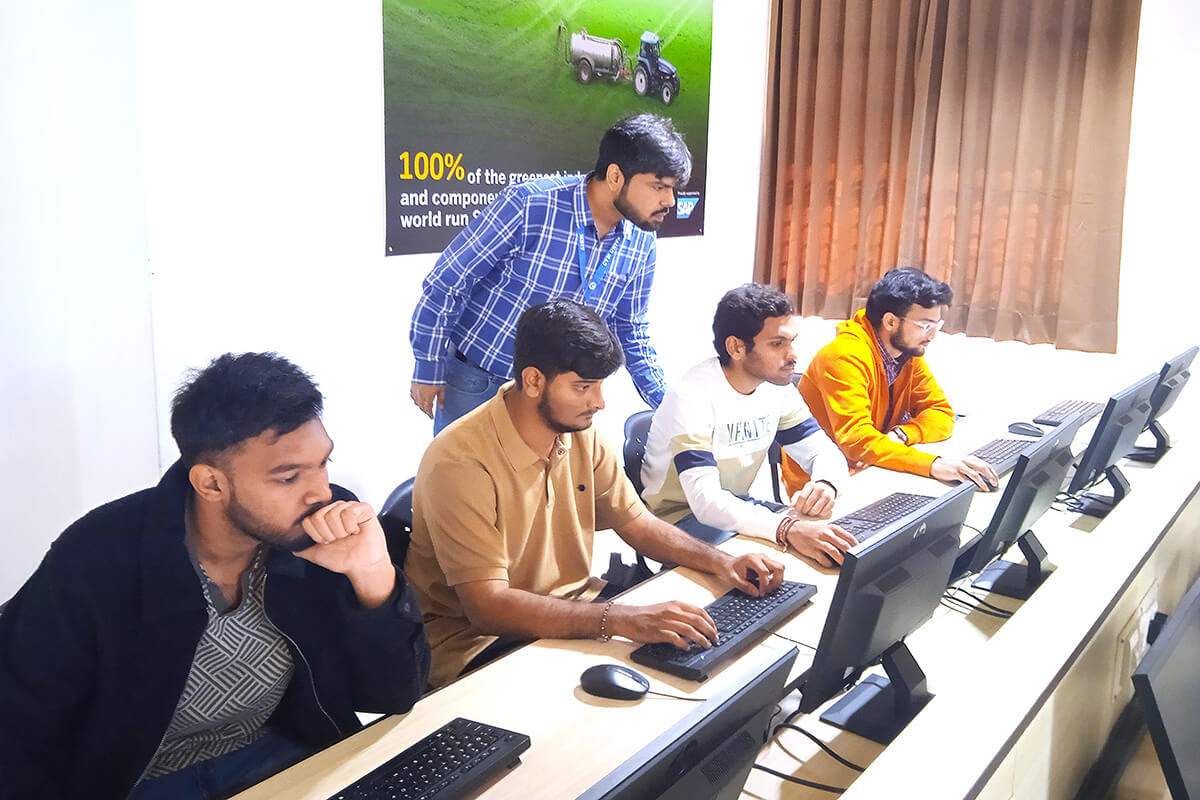
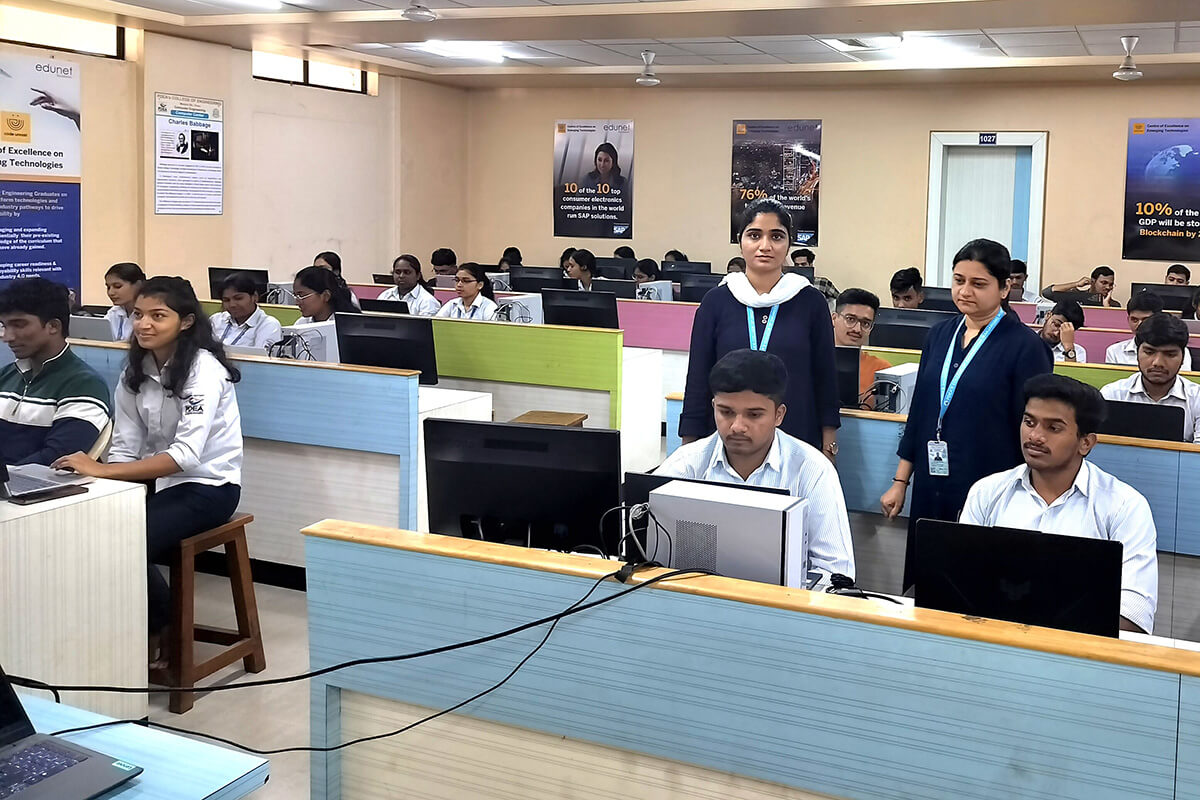
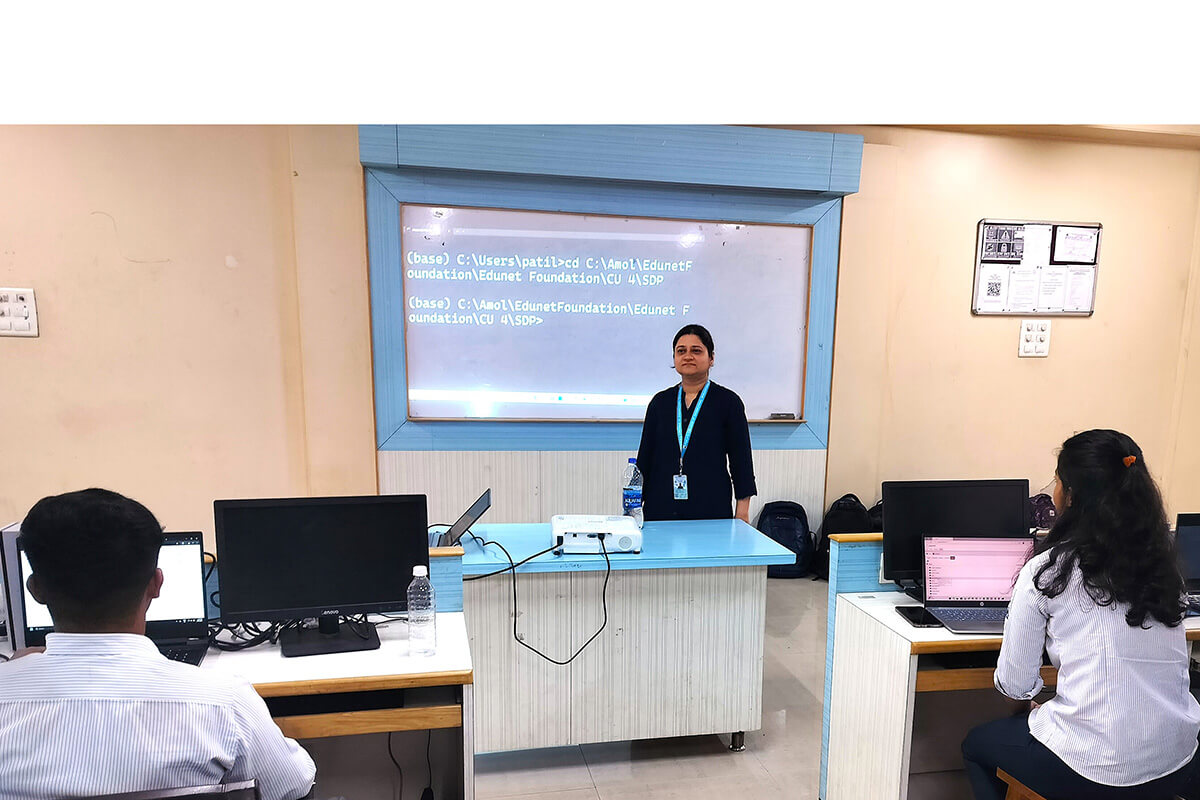
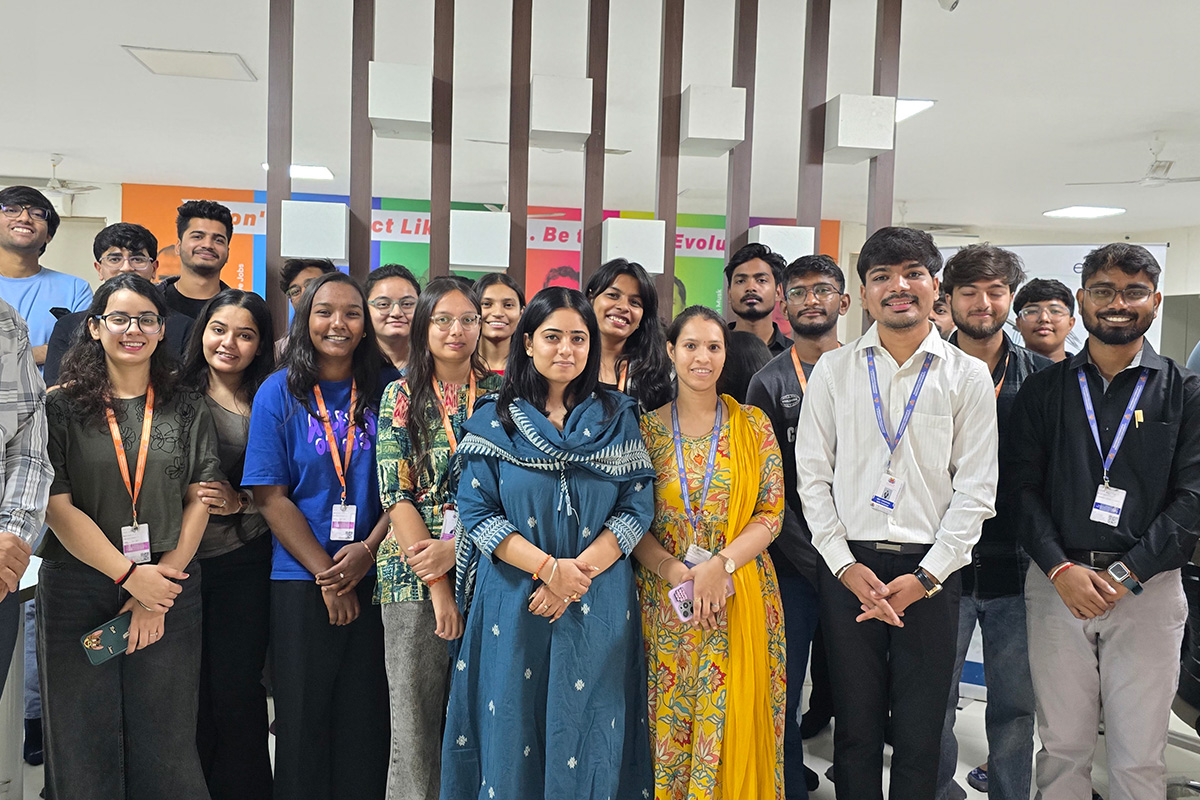
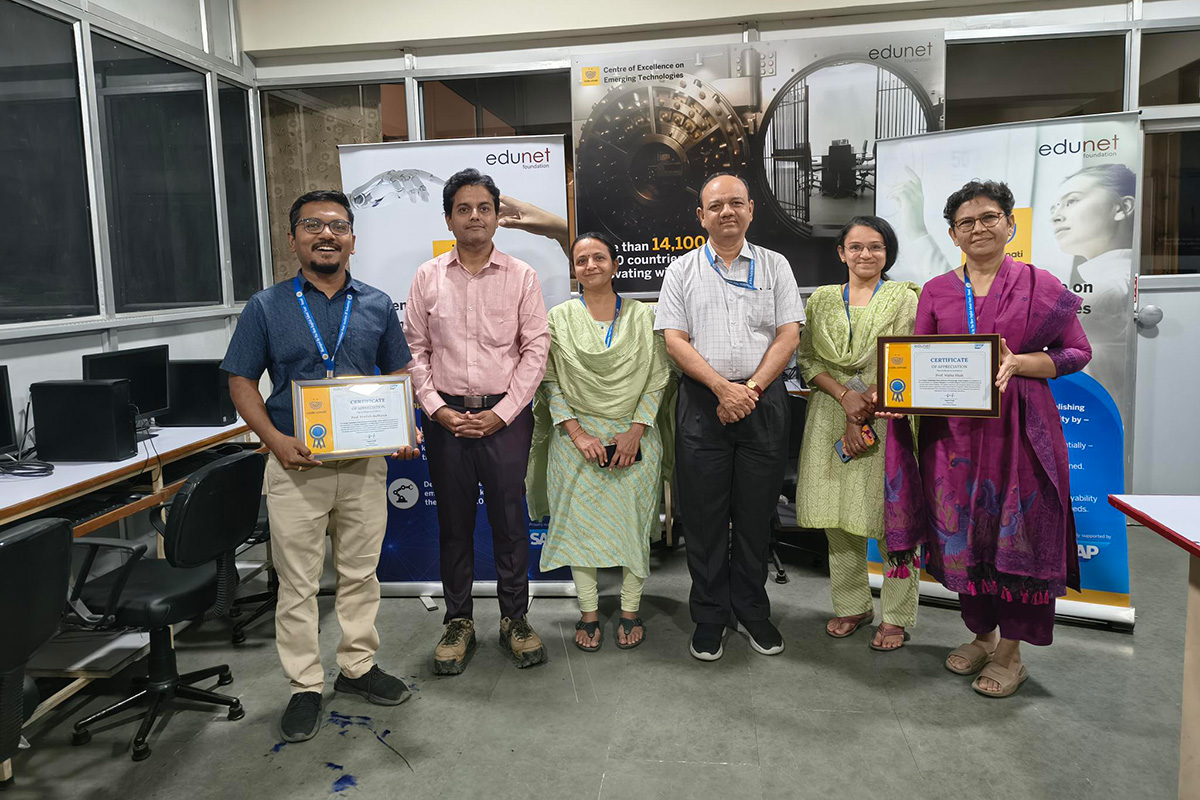
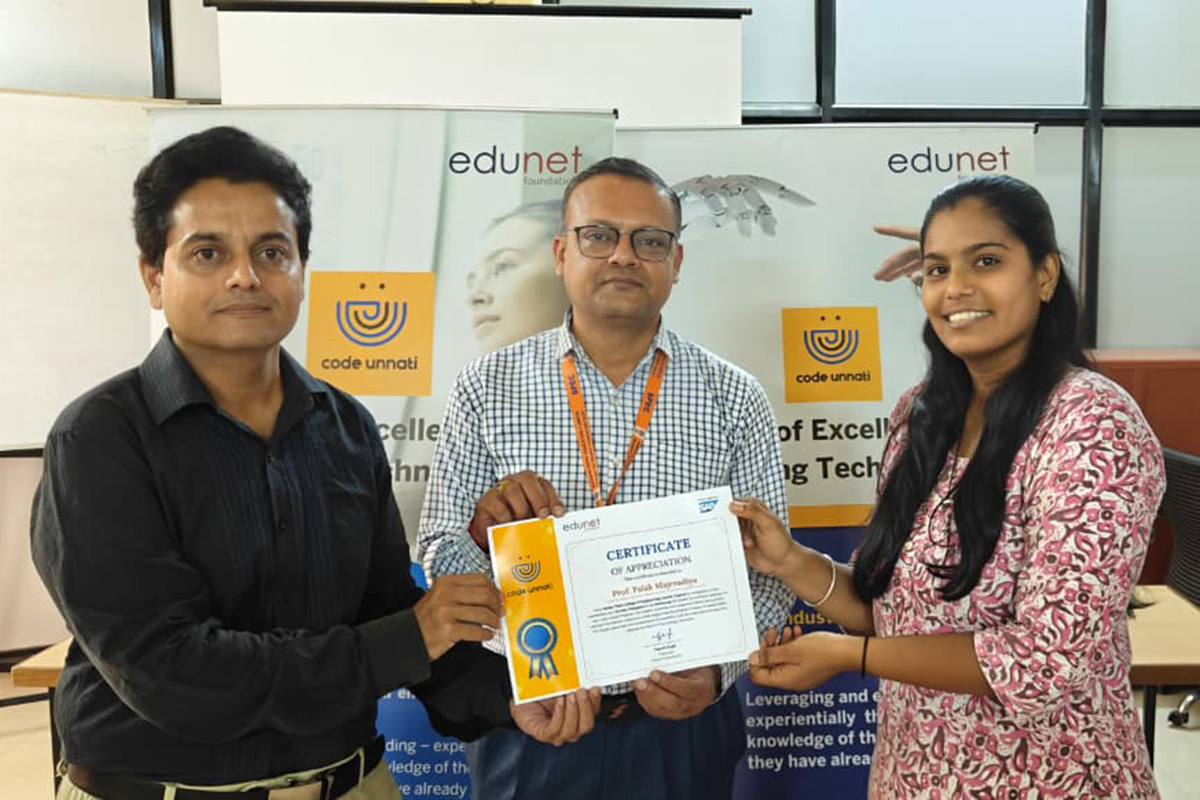
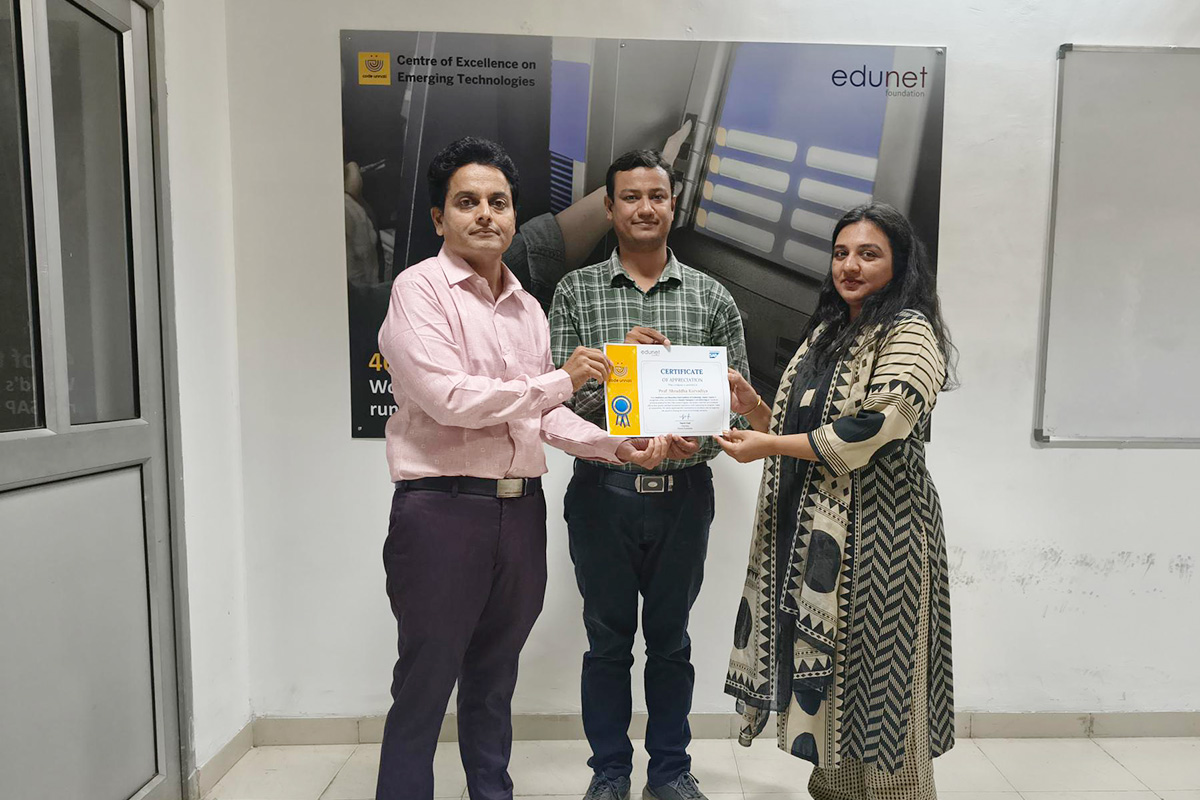
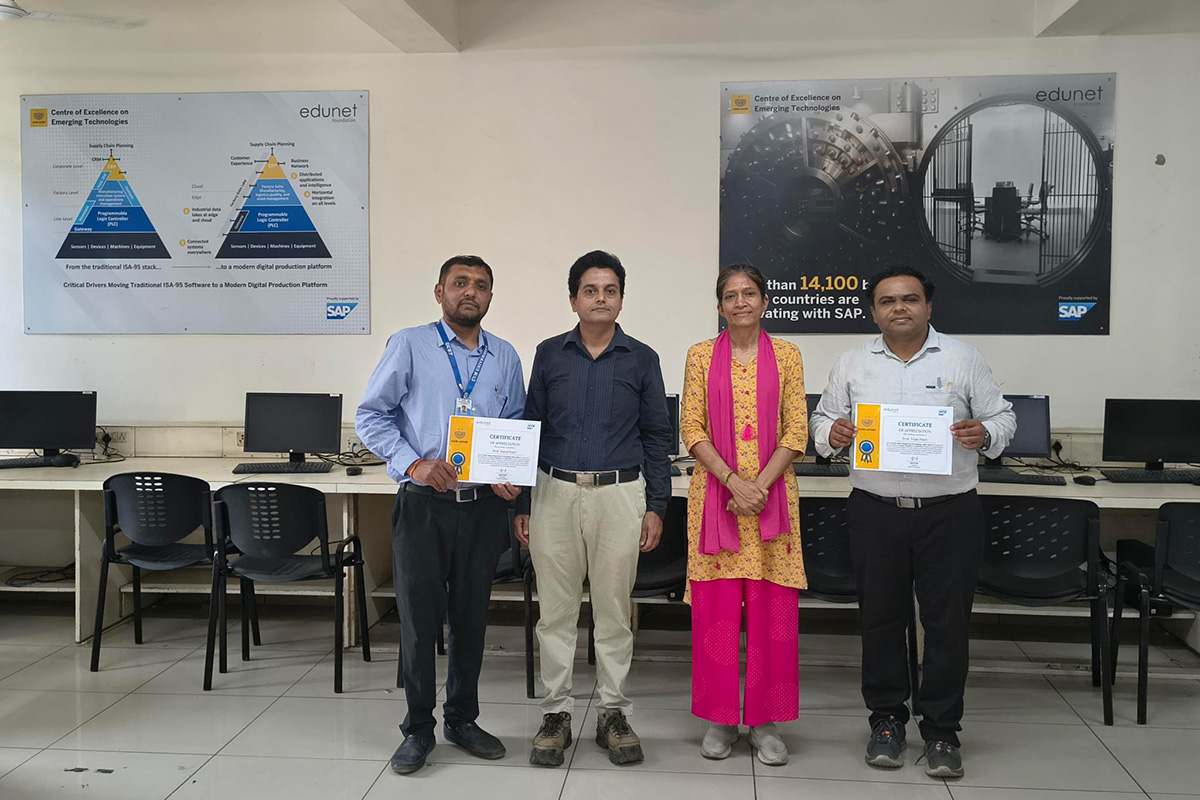
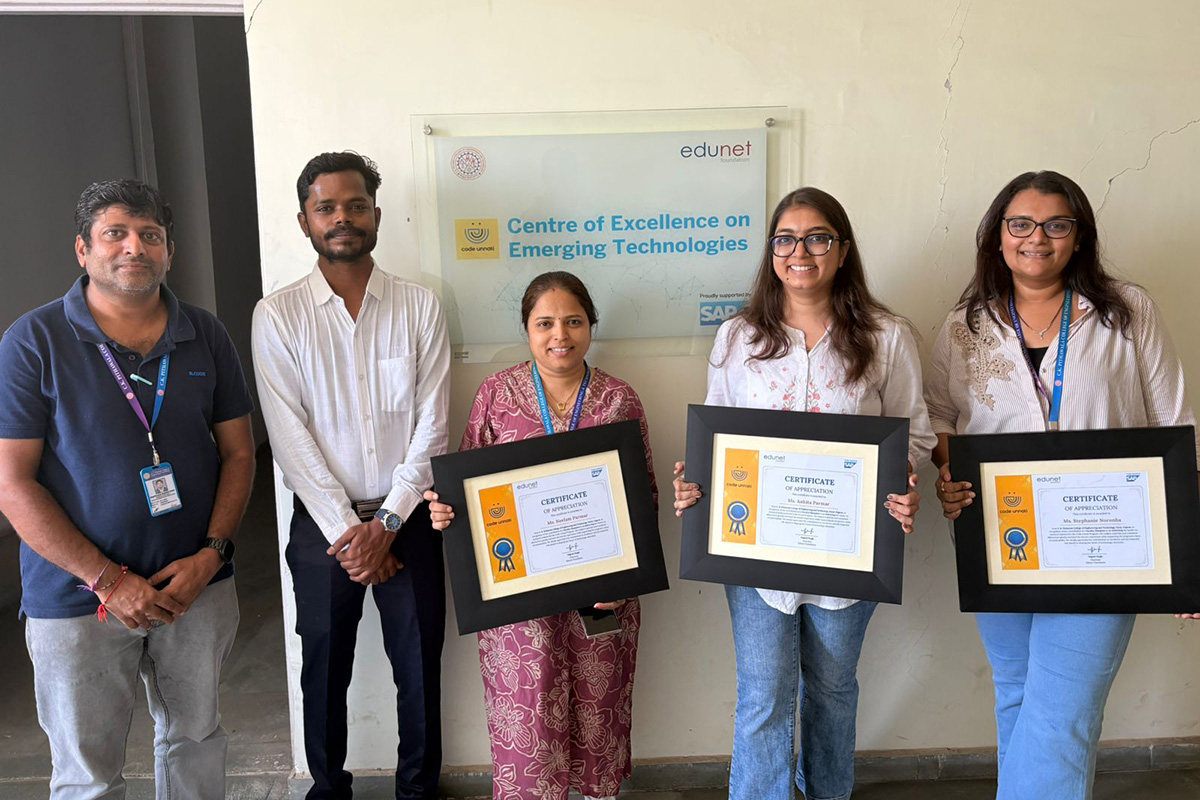
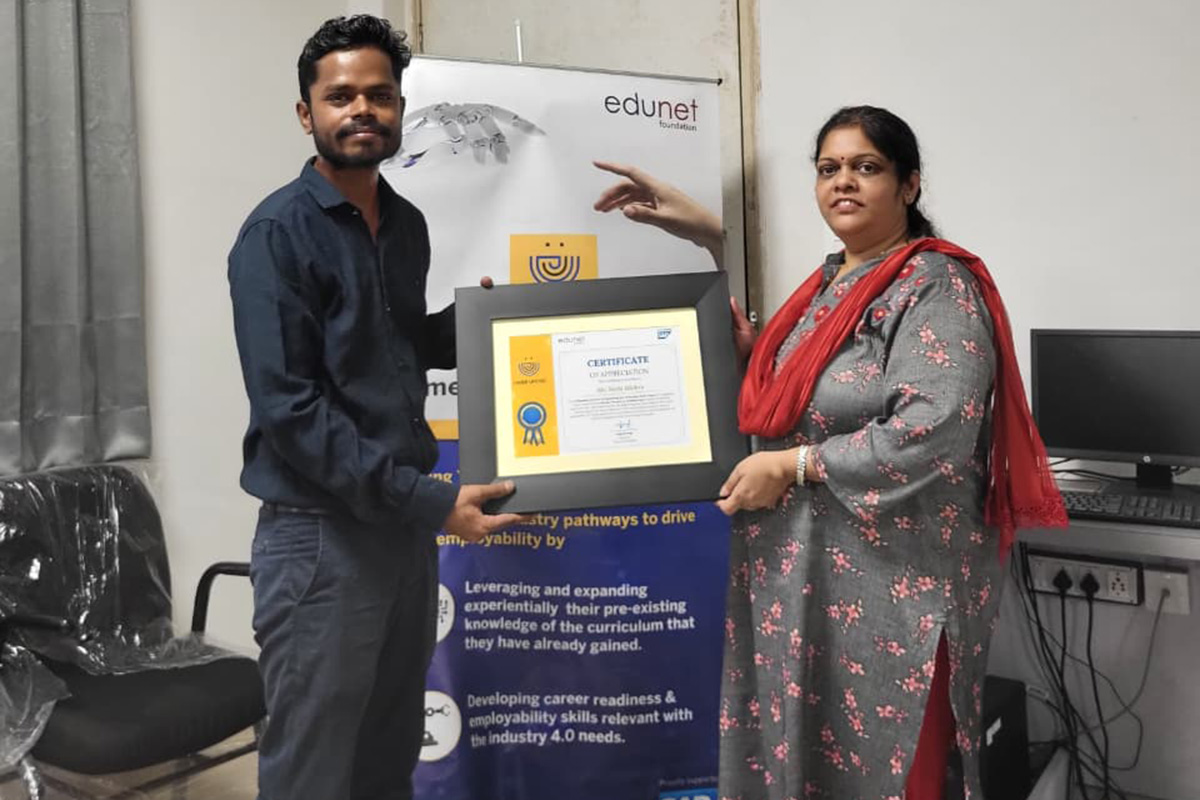
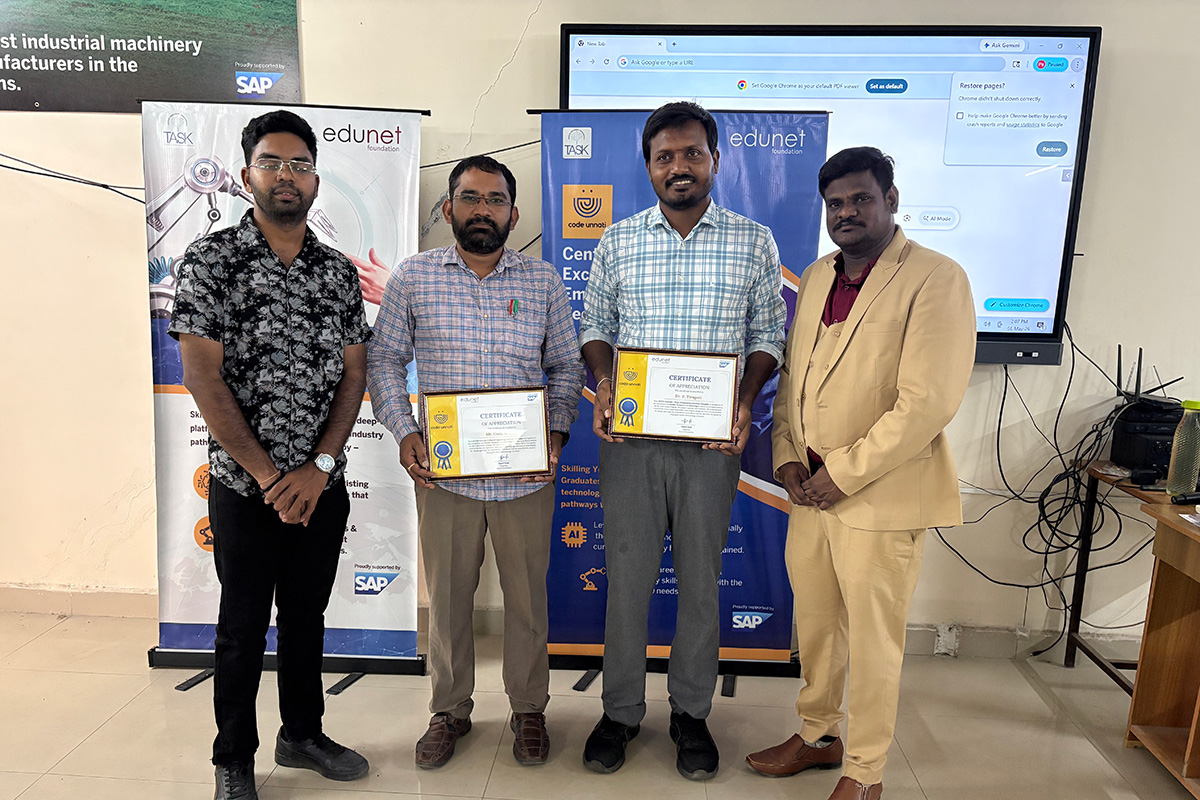
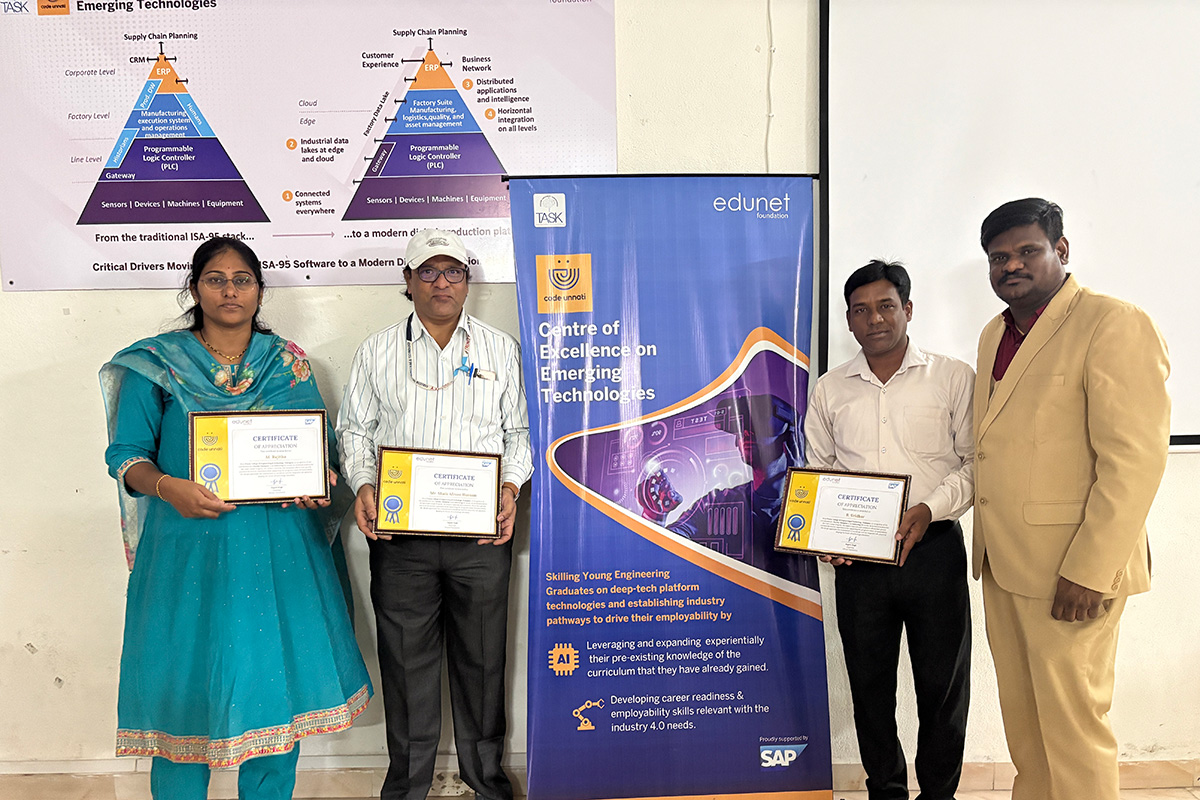
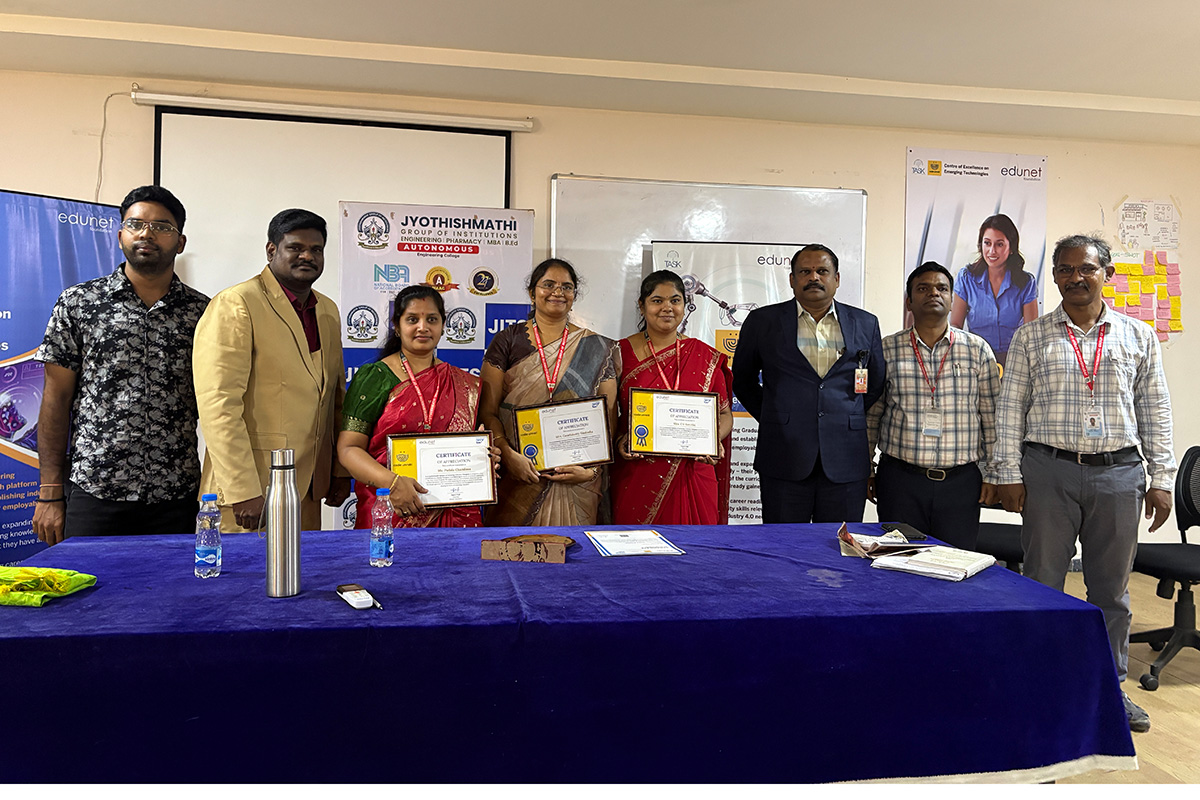
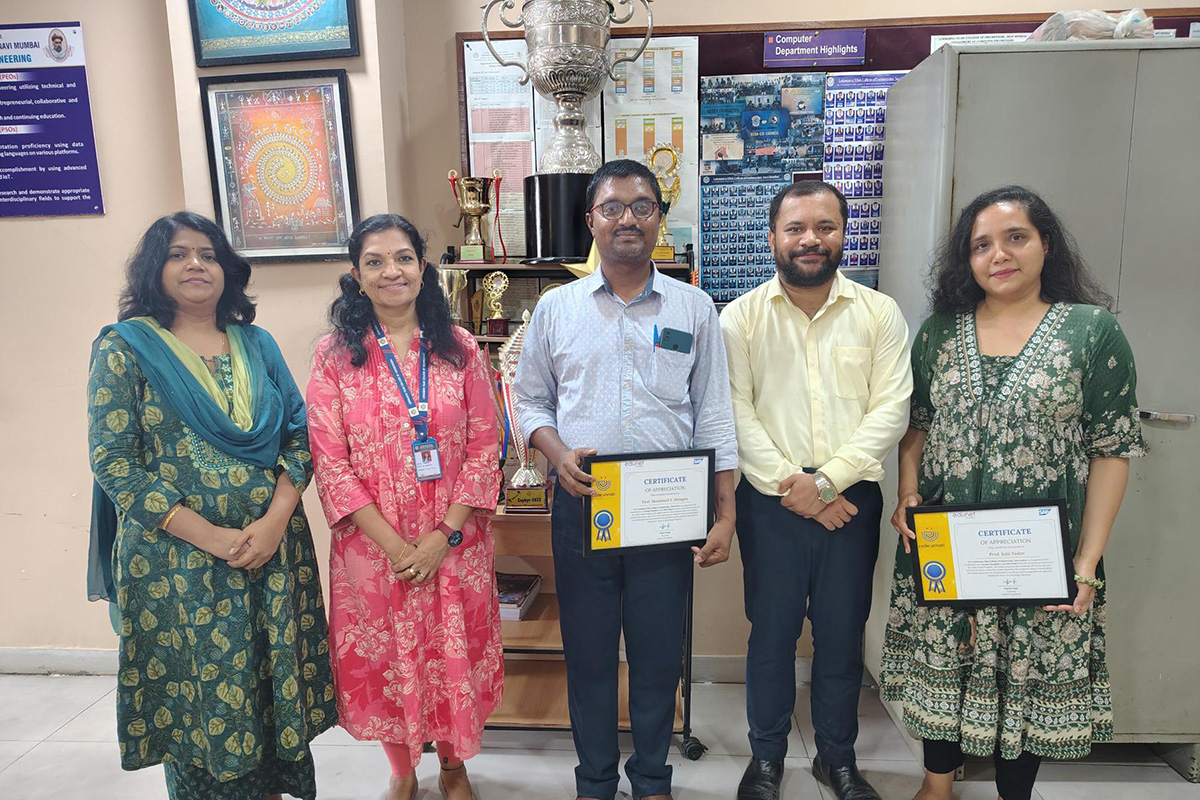
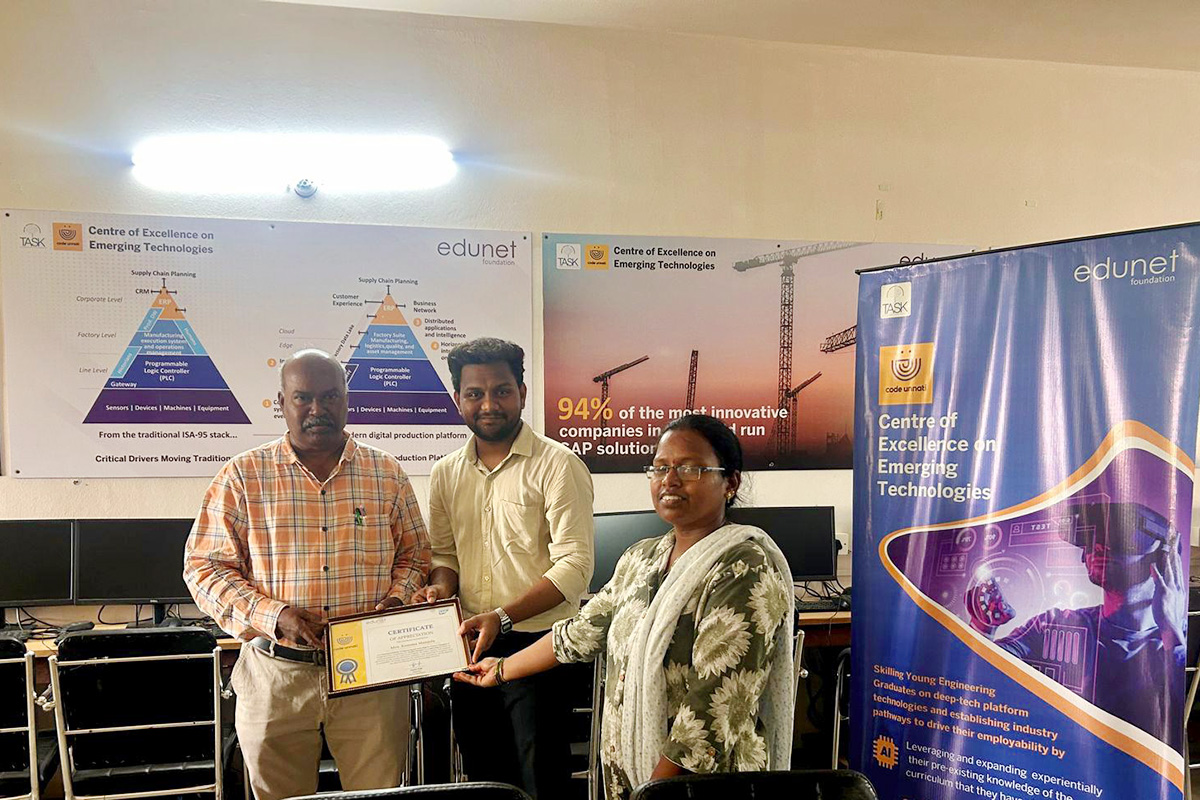
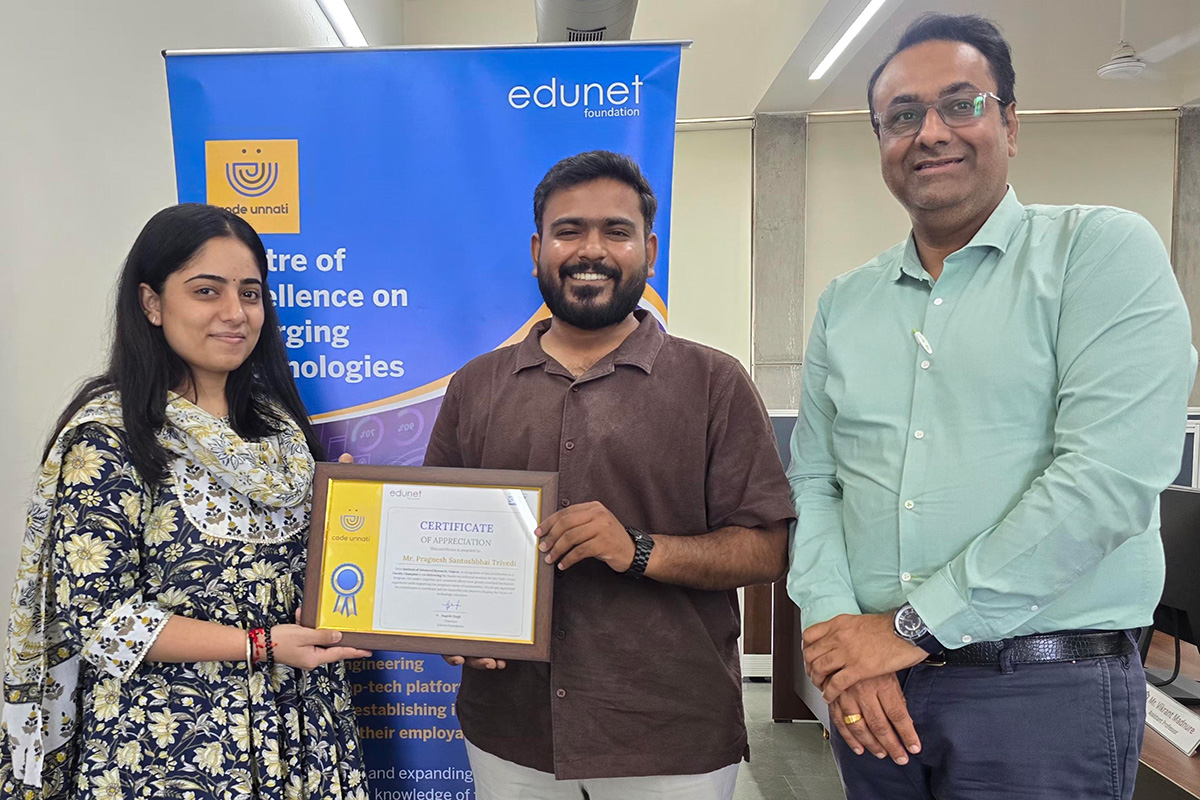
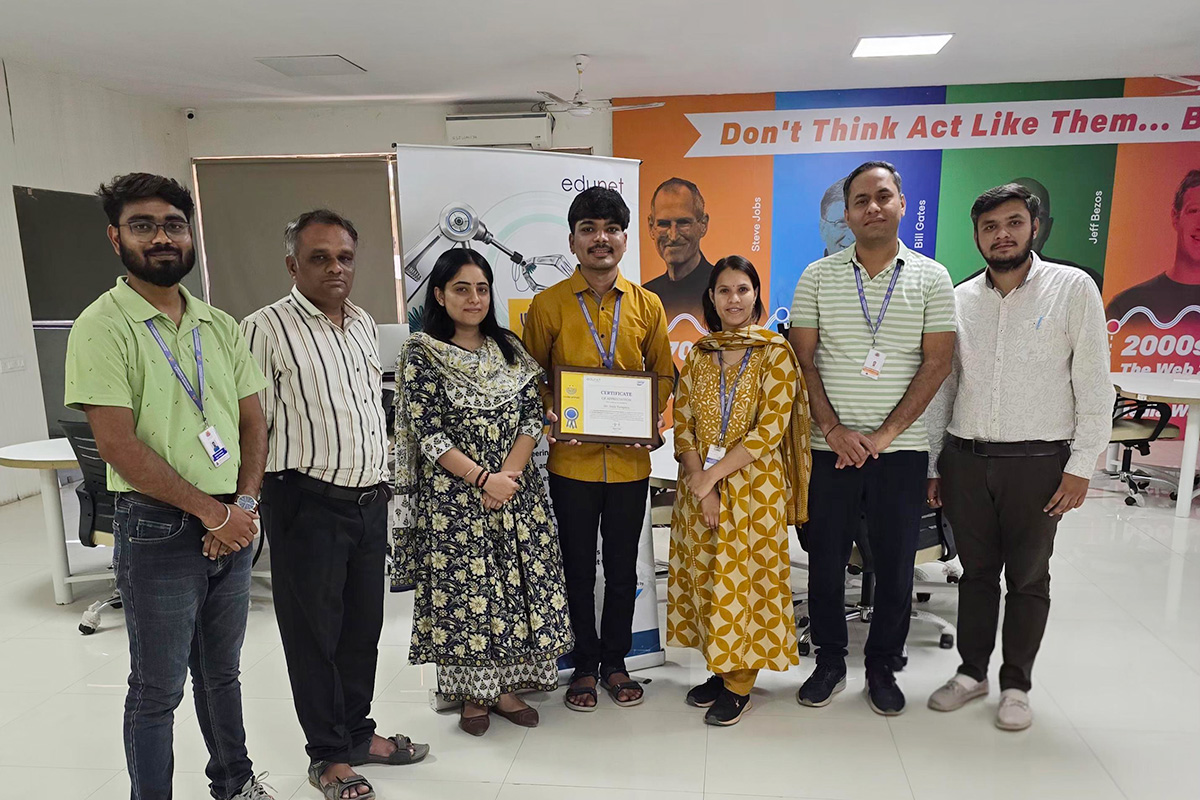
The sustainability model of the Code Unnati Program is built around creating long-term institutional capability, ownership, and continuous access to technology-driven learning opportunities. Through the establishment of SAP Centres of Excellence (CoEs), the program has enabled partner institutions to build dedicated spaces for hands-on learning, innovation, collaboration, and practical exposure in emerging technology domains. Over time, these CoE labs have evolved beyond program-specific training spaces and are now actively being utilized by institutions for multiple academic and innovation-driven activities including student projects, research initiatives, workshops, peer learning sessions, faculty training programs, and interdisciplinary collaboration. Importantly, the impact of these labs extends beyond Code Unnati participants, as students from across institutions are increasingly leveraging the infrastructure and learning ecosystem to strengthen their technical capabilities and practical exposure.
A key pillar of this sustainability approach is the introduction of the Co-Delivery model, which focuses on strengthening institutional ownership and reducing long-term dependency on external implementation support. This transition empowers institutions to gradually take complete ownership of the CoEs and continue delivering future-focused learning experiences even after the program’s direct engagement concludes. Code Unnati ensures that the impact of the initiative remains scalable, self-sustaining, and beneficial for future generations of learners.
SPOC Feedback
Gallery